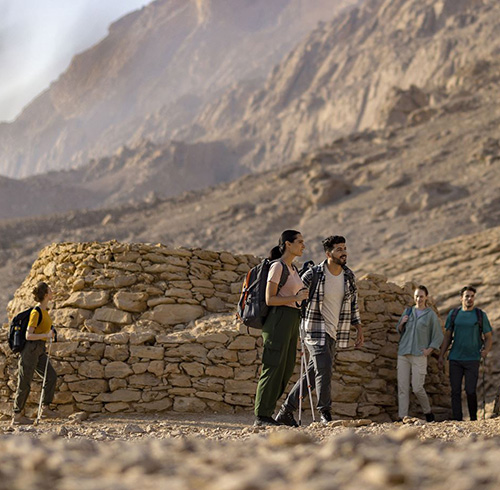
Known as the Garden City of the UAE, Al Ain stands as one of the region’s most treasured cultural destinations — a place where the stories of ancient civilizations meet the aspirations of a modern nation. As one of the world’s oldest continuously inhabited settlements, Al Ain reflects centuries of human ingenuity, resilience, and community living shaped by the desert landscape.
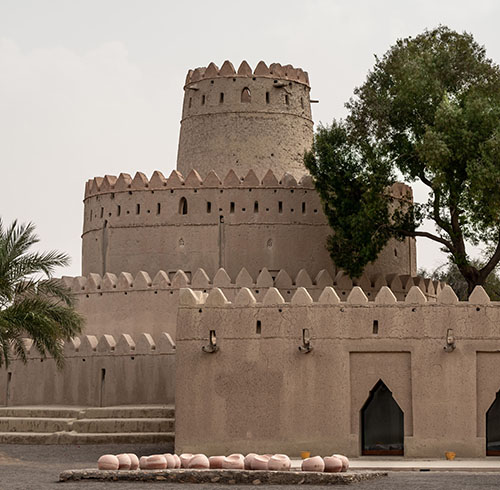
In 2011, Al Ain became the first site in the UAE to be inscribed on the UNESCO World Heritage List. This recognition includes its remarkable cultural landmarks such as:
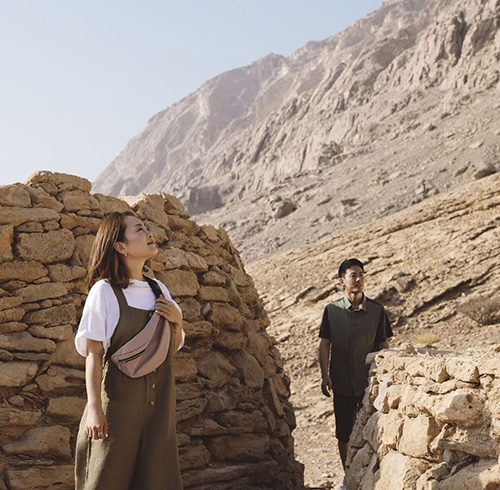
Together, these sites tell the story of early human settlement, sustainable desert living, and the cultural traditions that shaped the Gulf for millennia.
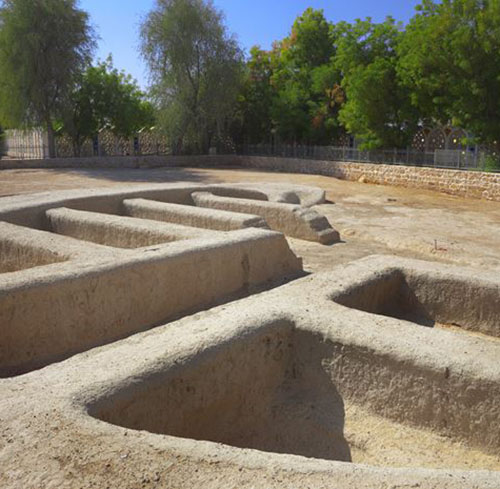
Al Ain’s heritage is deeply tied to its oases, forts, and historic neighborhoods — places that nurtured generations and inspired local customs that remain cherished today. Visitors can explore:
These landmarks preserve the UAE’s legacy of hospitality, trade, and cultural exchange.
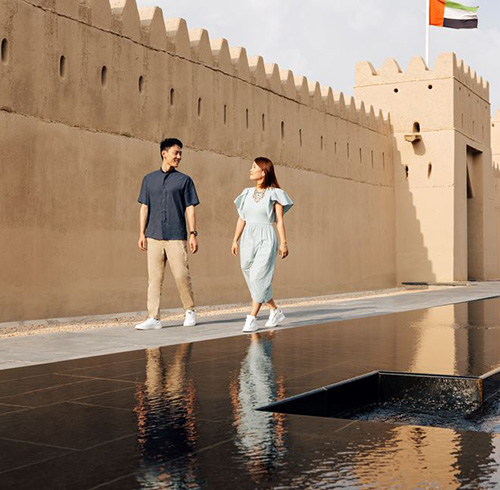
From the lush palm groves of Al Ain Oasis to the panoramic heights of Jebel Hafeet, the city offers an extraordinary contrast of natural and cultural beauty. Hot springs, desert landscapes, farms, and historic oases form a unique environment that has supported communities for thousands of years.
As Gulf Tourism Capital 2025, Al Ain embodies the spirit of the region — authentic, historic, and deeply connected to its roots. Its heritage continues to inspire the Gulf’s shared identity, making it the ideal host city for the inaugural GCC Tourism Conference.